Search

Toronto Townhomes — Presale, New Build & Pre-Construction

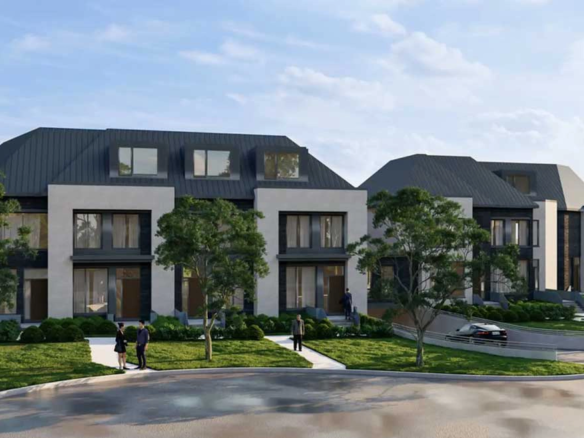
Toronto’s townhomes are the city’s “in-between” sweet spot—more living space and privacy than most condos, without the scale (or maintenance) of detached houses. This page is your plain-English guide to presale and pre-construction townhomes in Toronto, plus what “new build townhomes for sale” typically include across different parts of the city.

What “Townhome” Means in Toronto (and why it varies)

Not every townhome is the same. In Toronto, you’ll see several formats that all get marketed as “towns”:

  • Freehold Row/Terrace
    Fee-simple ownership of the home and the land beneath it; no condo board. Expect you’re responsible for exterior upkeep.
  • Condominium Townhomes
    You own your unit; shared elements (roofs, driveways, amenities) are maintained via monthly condo fees.
  • Stacked Townhomes
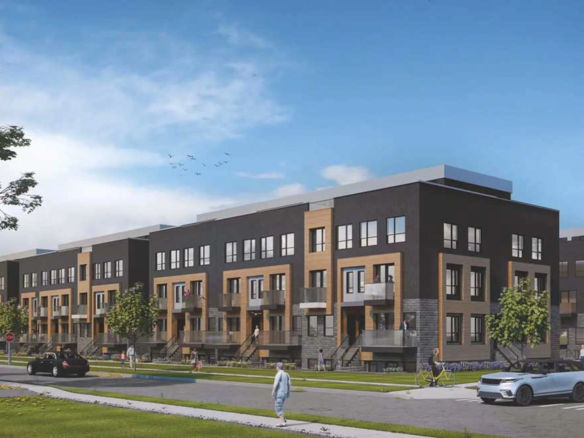
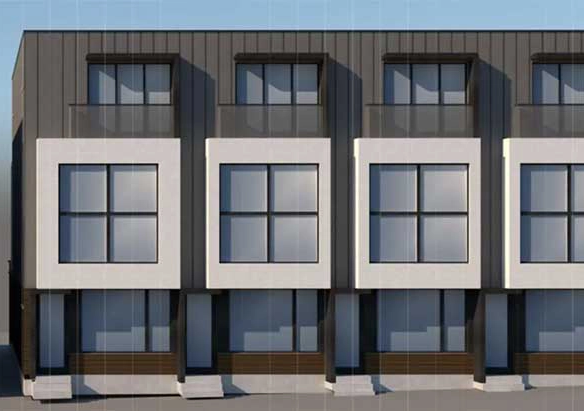
    Two or more flats “stacked” vertically within a townhouse footprint (upper and lower units, each with separate entries).
  • Back-to-Back Townhomes
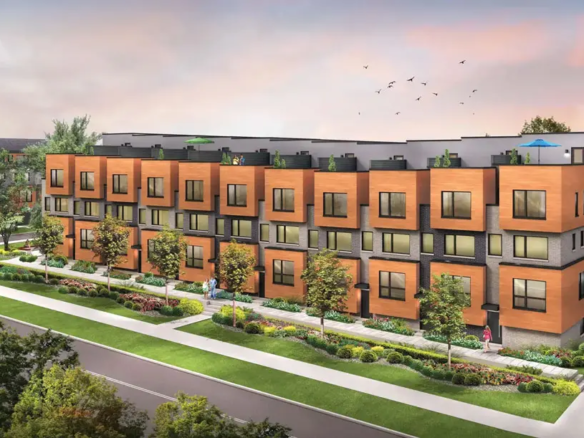
    Homes share both rear and side walls, maximizing space efficiency; often seen in new build communities.
  • Laneway & Urban-Infill Towns
    Smaller collections tucked onto side streets or converted parcels—great for walkability and a more intimate streetscape.

Knowing which structure you’re looking at helps you compare pre construction townhomes like-for-like, especially across fees, maintenance, and privacy.

Presale & Pre-Construction: What You’re Actually Buying

When Toronto builders advertise pre-construction townhomes, they’re selling a contract to deliver a future home with a defined specification. A few elements you’ll see in launch materials:

  • Spec Suite vs. Upgrade Menus
    The “standard” finish list (flooring, cabinetry, counters) plus optional upgrade tiers for kitchen packages, lighting, railings, and smart-home features.
  • Parking & Outdoor Space
    Configurations range from private garages to underground assigned spaces; outdoor options include balconies, terraces, or pocket backyards.
  • Common-Element Descriptions (for condo towns)
    Snow removal, landscaping, private laneways, bike rooms, parcel lockers—useful for day-to-day convenience.
  • Occupancy & Closing Timeline
    Builders outline target occupancy periods and final closing after titles are registered.

This information lets you compare new build townhomes for sale on more than just the headline price.

Where Townhomes Fit in Toronto’s Urban Fabric

Toronto’s townhome developments generally cluster in three patterns—each with a different lifestyle trade-off:

  1. Transit-Oriented Corridors
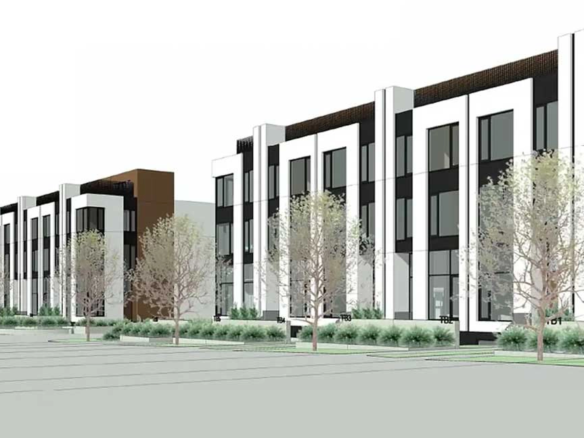
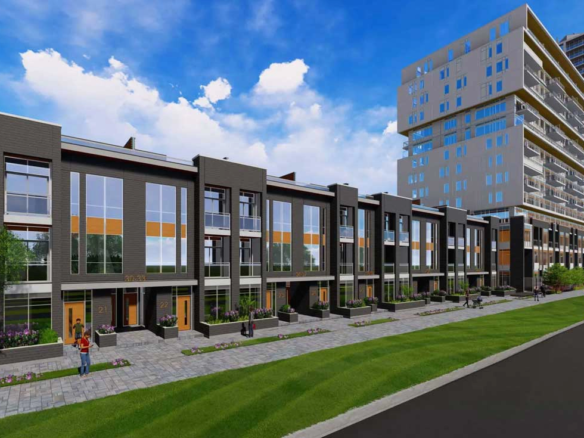
    Closer to subway, LRT, or GO stations; expect stacked or back-to-back formats with compact footprints and efficient layouts.
  2. Established Residential Streets
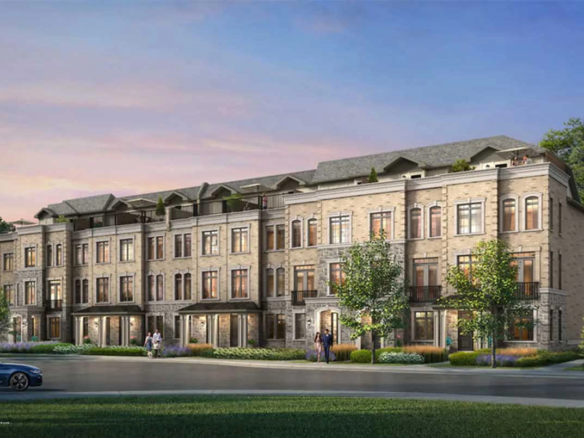
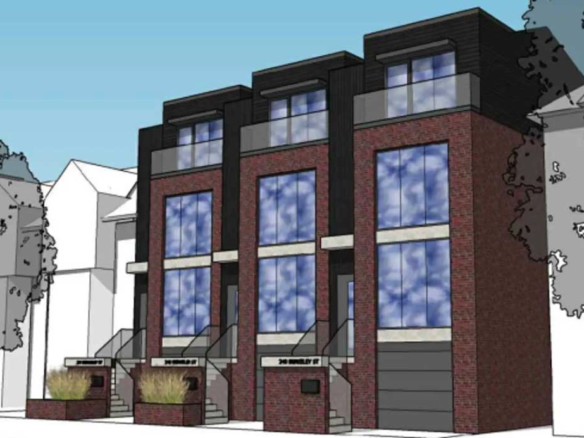
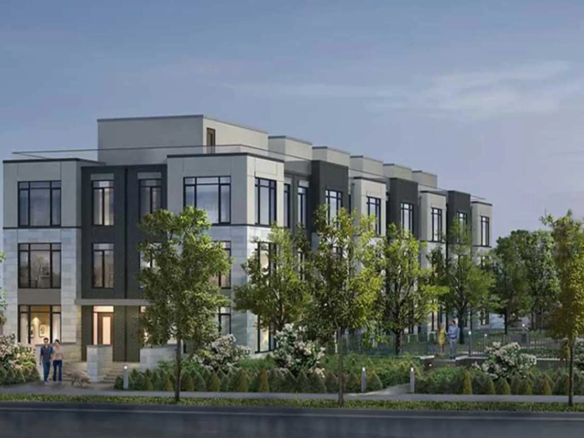
    Smaller infill rows that echo historic brick forms; front stoops, tree-lined blocks, and a more “neighbourhood” feel.
  3. Master-Planned Enclaves
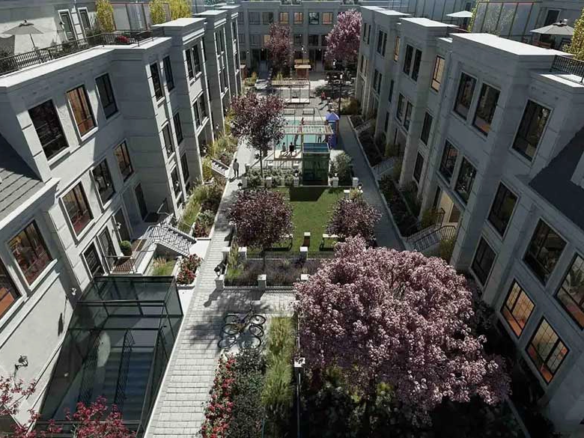
    Multi-phase sites with internal parks, mews, and consistent architecture—a good bet if you want cohesive streetscapes and on-site greenspace.

None of these is “better”—they simply match different priorities for commute, privacy, and day-to-day rhythm.

Layouts that Work in the City

Thoughtful townhome plans can make Toronto living feel larger than the square footage suggests. Look for:

  • True Entry Foyer with closet (keeps living areas tidy).
  • Main-Floor Powder Room (critical for guests).
  • Kitchen Placement that supports circulation—peninsula for compact plans, island for wider frontages.
  • Light Strategy: window walls at front/back, transoms on stair landings, and skylights in mid-block units.
  • Acoustic Planning: party-wall construction, solid-core doors, and soft-surface zones help in attached housing.
  • Private Outdoor: juliet + balcony combo, or a terrace with gas rough-in for four-season use.
  • Parking Access: interior entry from garage or sheltered route to minimize winter hassles.

Comparing Freehold vs. Condo Townhomes (Quick Guide)

  • Freehold Towns
    • Pros: Maximum control over exterior, no condo board approvals for minor changes.
    • Considerations: You handle roof, siding, snow/landscaping; shared-lane agreements may still apply.
  • Condo Towns
    • Pros: Exterior maintenance and shared elements managed; consistent curb appeal.
    • Considerations: Monthly fees and board rules; review declarations and shared-cost allocations carefully.

For pre construction townhomes in Toronto, the form (freehold vs. condo) often dictates long-term costs more than the initial price.

Finishes & Construction Details Worth Understanding

Even without “market stats,” quality lives in the details:

  • Building Envelope: look for clear descriptions of insulation, waterproofing, and air-sealing—especially on end units.
  • Floor Assemblies: engineered joists, subfloor adhesive/screw schedules, and acoustic underlay in stacked towns.
  • HVAC & Ventilation: individual furnaces/heat pumps, ERV/HRV notes, and filter access for allergy-friendly living.
  • Window & Door Specs: U-values, Low-E, and operability affect comfort and utility costs.
  • Warranty Coverage: new build homes typically include third-party warranty programs—note coverage periods for structure, systems, and finishes.

What “For Sale” Looks Like Across the City (Without Market Jargon)

When you see Toronto townhomes for sale, the listing language usually signals the home’s role on the block:

  • “End Unit / Corner” → extra windows, sometimes larger outdoor areas.
  • “Wide Frontage” → more natural light and layout flexibility.
  • “Quiet Mews / Private Lane” → lower traffic, community-style feel.
  • “Transit-Convenient / Walkable” → expect stacked or condo towns with efficient footprints.
  • “Heritage-Informed / Brick Row” → infill that respects existing streetscape.

Use those cues to shortlist homes that fit how you actually live—workspace needs, storage, pets, or hosting.

Development Checkpoints (Before You Get Attached to a Rendering)

Unique to pre-construction townhomes in Toronto, a few paper-based checkpoints protect expectations:

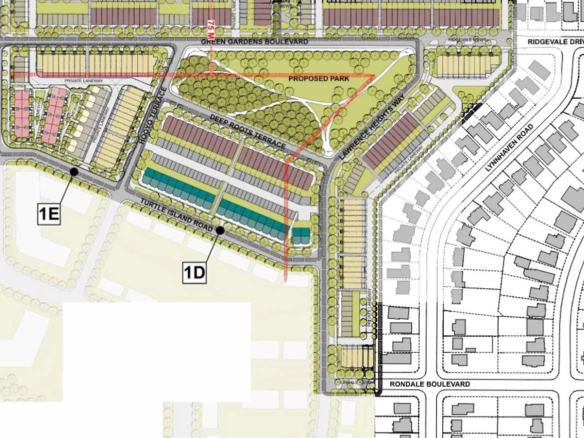
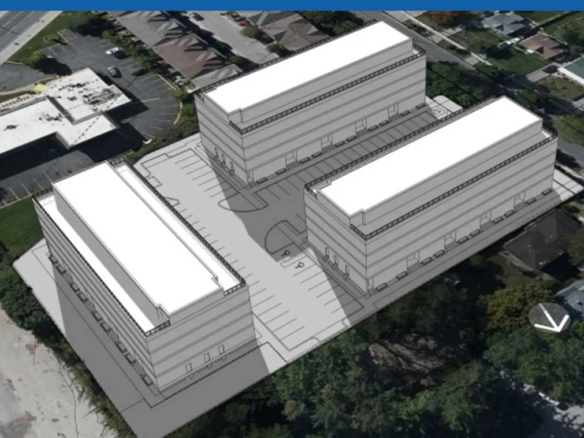
  • Site Plan & Elevations: confirm where your unit sits relative to sun, alleyways, and neighbouring windows.
  • Phase Dependencies: know if your occupancy relies on later phases finishing roads or shared spaces.
  • Utility & Metering: individual vs. bulk services (heat, hydro, water) can change monthly costs.
  • Rules & Use (for condo towns): review guidelines on BBQs, EV charging, short-term rentals, and pet limits.
  • Change Logs: track addenda for any revisions to features, specs, or schedules during construction.

Why Townhomes Continue to Make Sense in Toronto

No trends talk—just enduring truths:

  • Ground-Oriented Living: direct street or courtyard access without elevators.
  • Efficient Land Use: attached homes create walkable, neighbourly blocks.
  • Scalable Space: multi-level layouts carve out quiet corners for work, sleep, or play.
  • Design Longevity: brick rows and coherent streetscapes age gracefully when details are done right.