

 by
by 
Canada’s housing landscape is as diverse as its geography, offering a wide range of home styles to suit different lifestyles, budgets, and regional climates.

Whether you’re a first-time homebuyer, an investor, or simply exploring your options, understanding the different types of houses available in Canada can help you make informed decisions.
While you are exploring different types of houses in Canada, it is also a good idea to know what a real estate agent can do when you are ready to purchase.
Detached House: The Dream Home
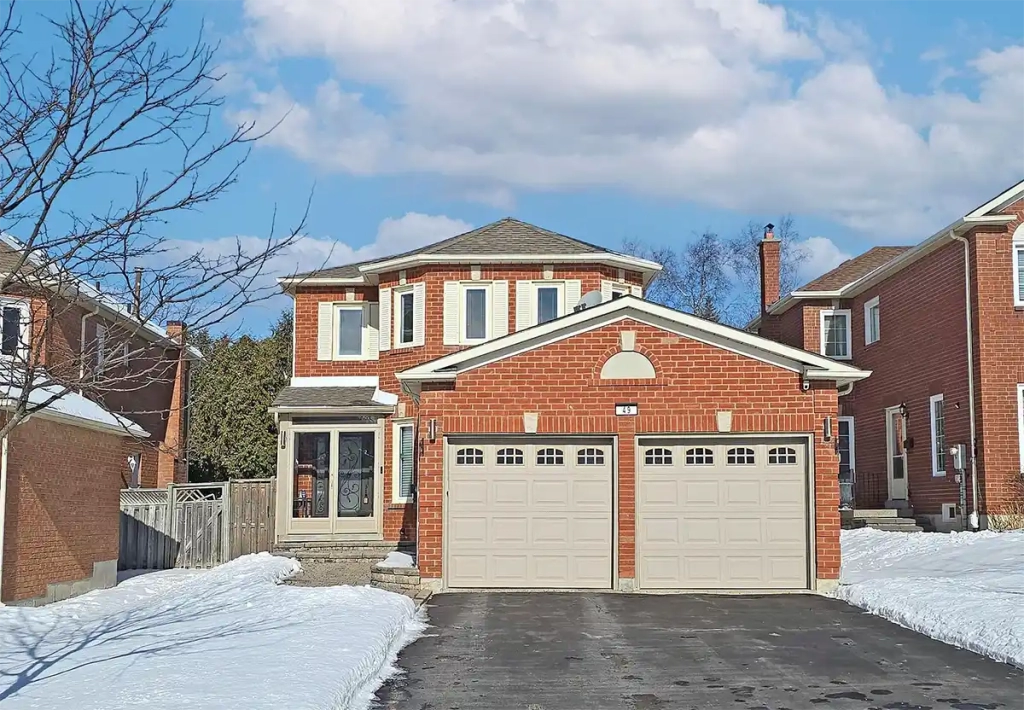
The classic detached house is the one you see in movies—a charming home with a front yard, a backyard, and all the privacy you could ask for. It’s perfect for families, dog owners, and anyone who loves their space.
✔ Pros: Maximum privacy, plenty of space, great resale value
❌ Cons: Most expensive option, higher maintenance costs
Who should live here?
✅ Families who want room to grow
✅ People who love backyard BBQs and gardening
✅ Homeowners who don’t want to hear their neighbors through the walls
Semi-Detached House: The Best of Both Worlds
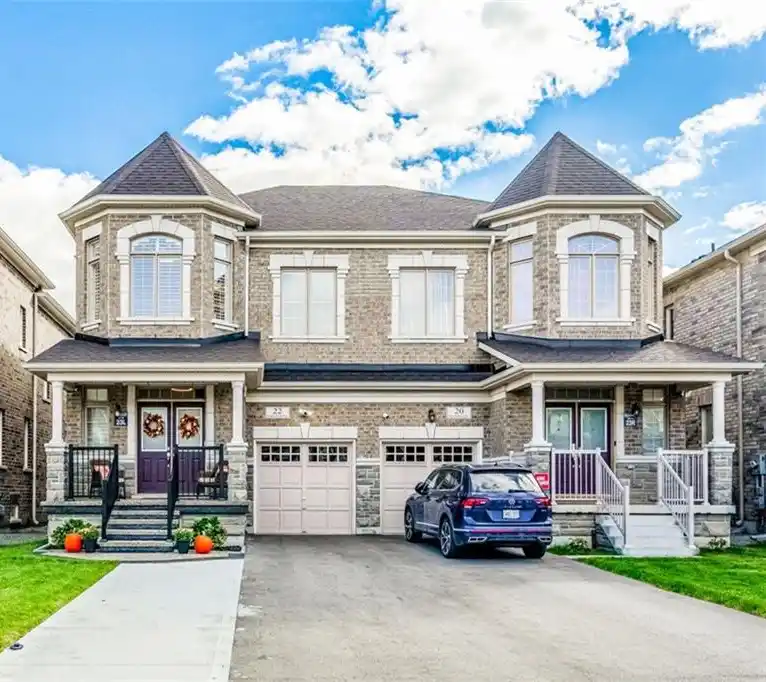
A semi-detached house shares one common wall with a neighbor. It’s a great middle-ground between a detached home and a townhouse, offering more space than a condo but without the full price tag of a detached home.
✔ Pros: More affordable than detached homes, decent privacy
❌ Cons: Shared wall means you might hear your neighbors
Who should live here?
✅ First-time homebuyers looking for a balance of space and affordability
✅ Families who need a backyard but don’t mind sharing a wall
Townhouse: Urban Convenience with a Touch of Home
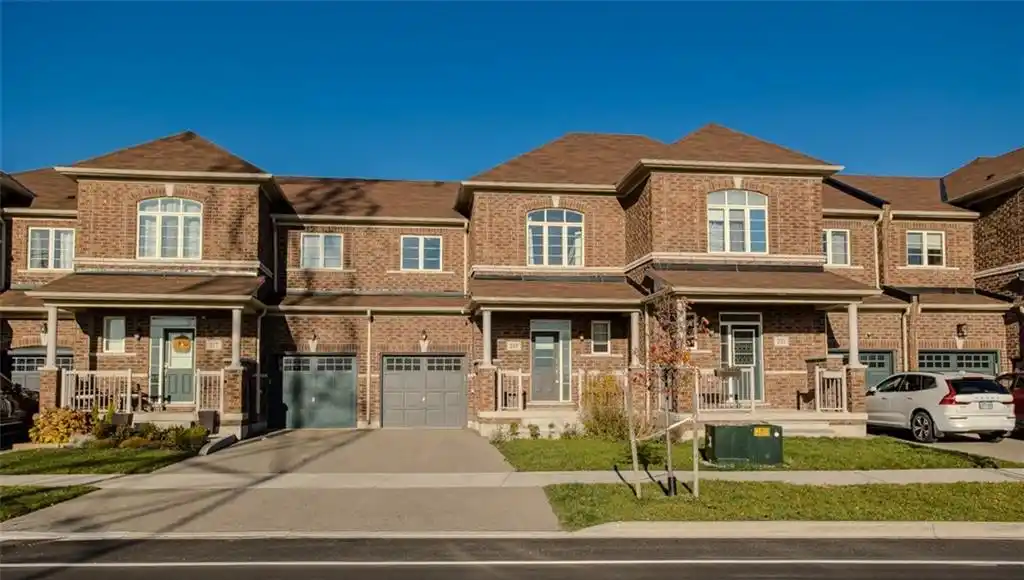
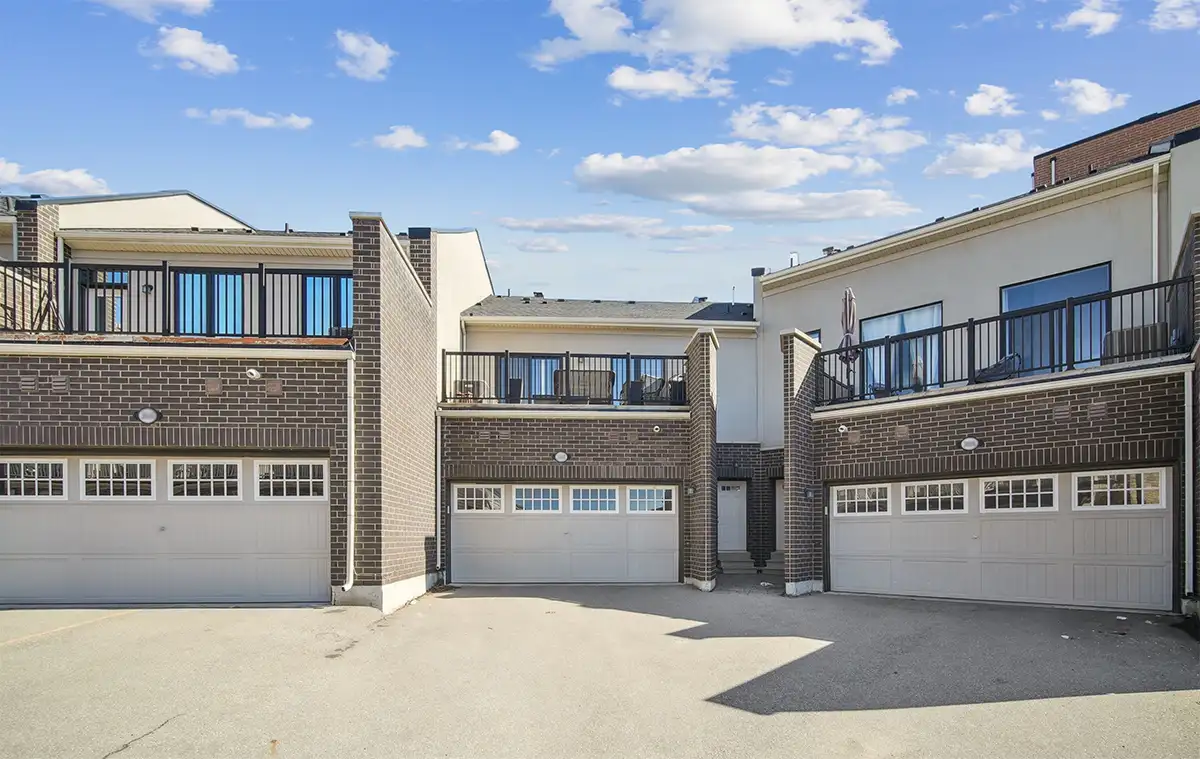
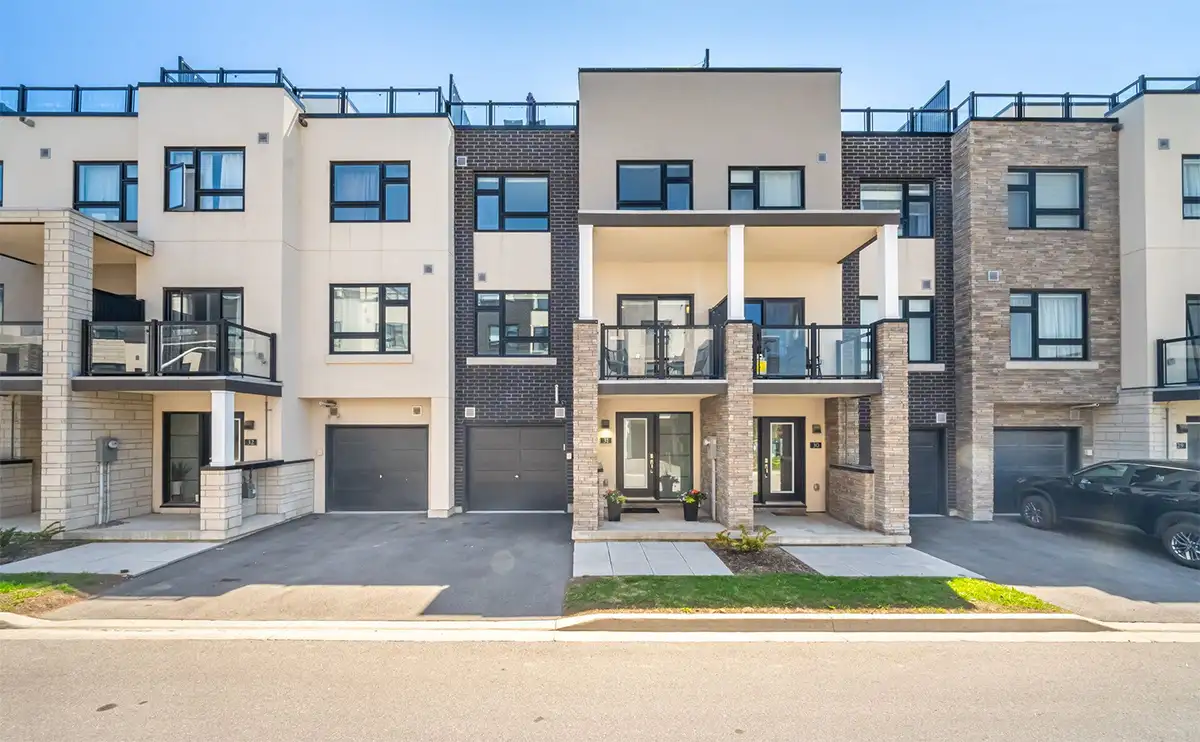
A townhouse (or row house) is part of a row of homes that share walls on both sides. They’re common in cities where land is expensive, offering a compact but practical living space.
✔ Pros: More affordable than detached homes, often in great locations
❌ Cons: Less privacy, sometimes high HOA fees
Who should live here?
✅ Young professionals who want homeownership without breaking the bank
✅ Families who want a mix of community and independence
✅ People who don’t need a massive backyard
Common townhouse variations you’ll see in Canada
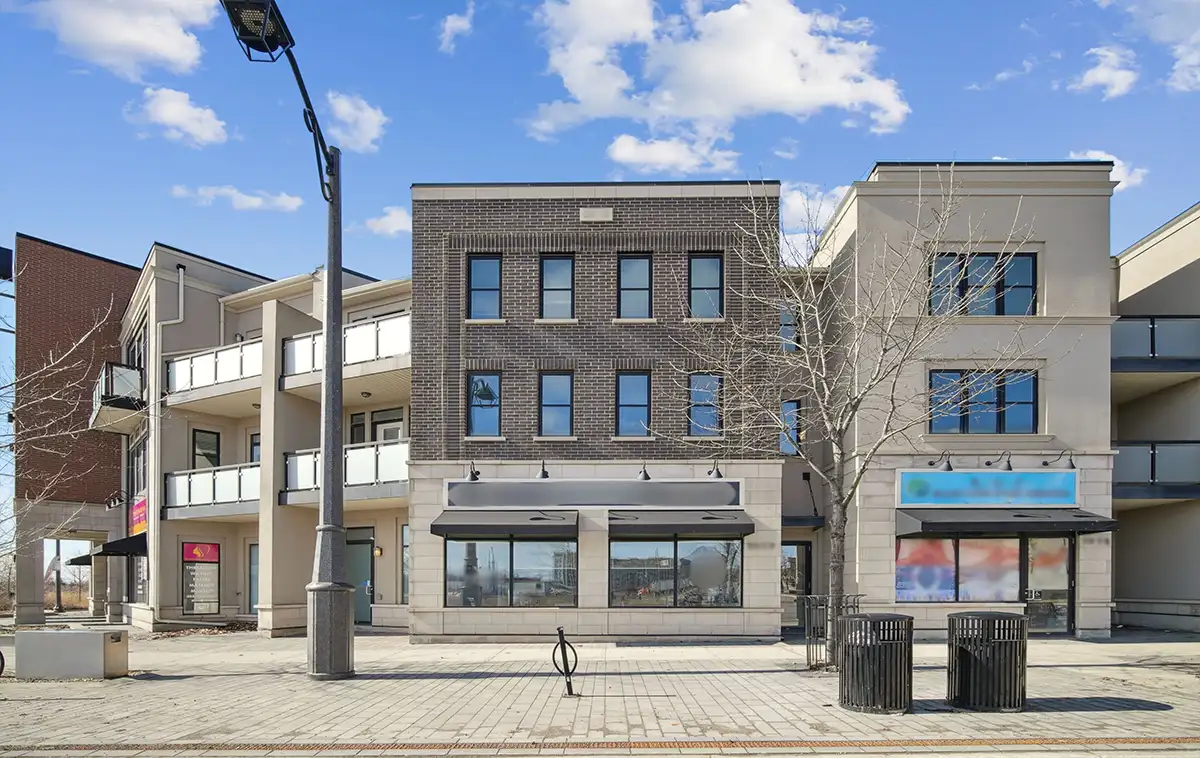
Live/Work Townhouse
A live/work townhouse is typically designed with a ground-floor space that can function as a small shop, studio, or office, with living space above. Some owners operate a business there; in other cases, the commercial portion may be rented out (where permitted). Location and rules matter a lot for whether the “work” space is actually useful.

Condominium (Condo): City Life at Its Finest
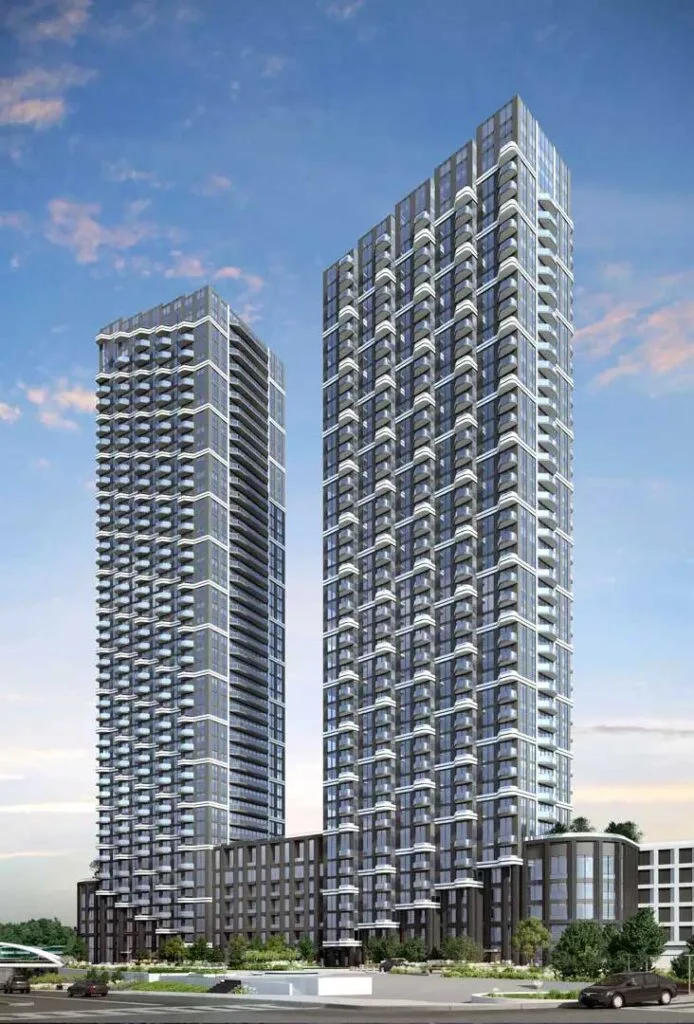
If you love the idea of living in a sleek high-rise with a killer view, a condo might be your perfect match. Condos are individually owned units in a larger building, with shared amenities like gyms, pools, and security services.
✔ Pros: Low maintenance, urban locations, access to amenities
❌ Cons: Monthly condo fees, less privacy, limited space
Who should live here?
✅ Busy professionals who don’t want to mow a lawn
✅ People who love city life and being close to restaurants and nightlife
✅ First-time buyers looking for an affordable entry into the housing market
Duplex / Triplex / Fourplex / Multi-Family
Want to live in one unit and rent out the others? A duplex (2 units), triplex (3 units), fourplex (4 units) or multi-family (4 or more units) can help you generate income while owning a home.
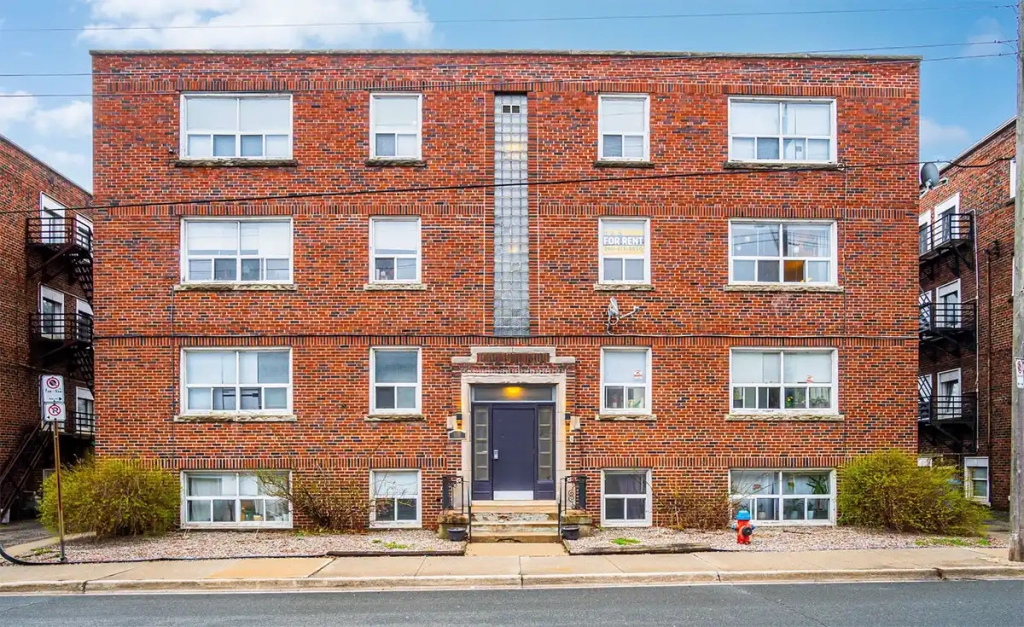
✔ Pros: Rental income potential, great for multi-generational families
❌ Cons: You might have to play landlord, requires property management skills
Who should live here?
✅ Investors looking for extra income, and build wealth through real estate
✅ Families who want to live together but still have their own space
✅ People who don’t mind a little property management
Bungalow
A bungalow is a single-story home, often with a simple and open layout. These homes are perfect for those who prefer fewer stairs and a cozy atmosphere.
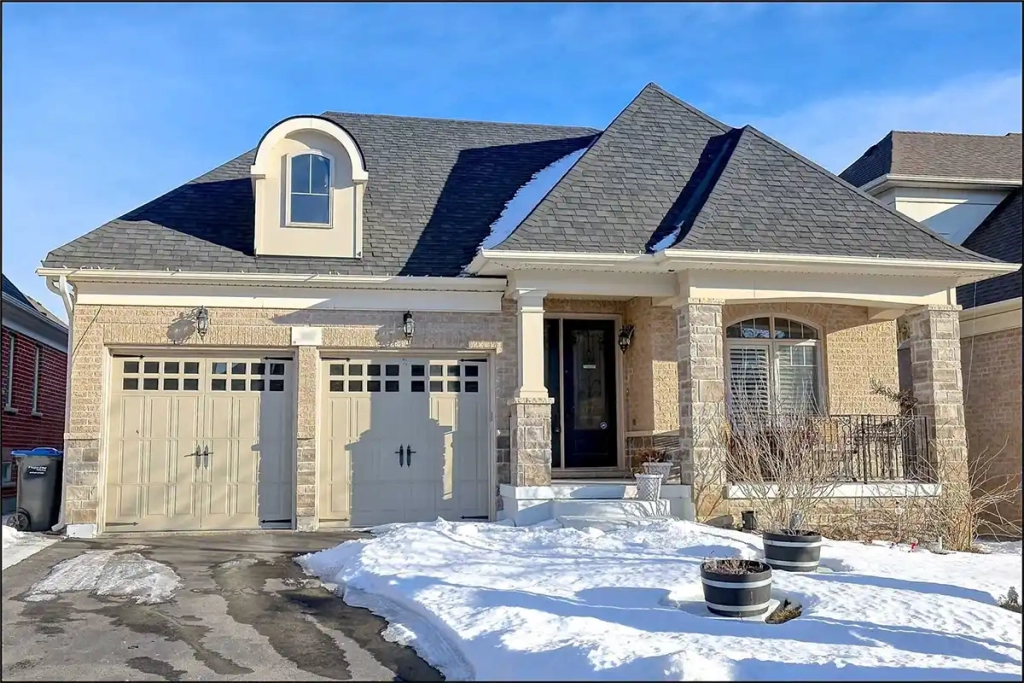
✔ Pros: Easy to maintain, great for aging in place
❌ Cons: Smaller space, might lack a basement
Who should live here?
✅ Retirees who want a comfortable, accessible home
✅ Small families or couples who don’t need extra floors
✅ People who love a simple, open-concept design
Cottage: The Canadian Getaway
Ah, the cottage—a Canadian favorite! Whether it’s by a lake, in the mountains, or deep in the woods, cottages offer the perfect escape from city life.
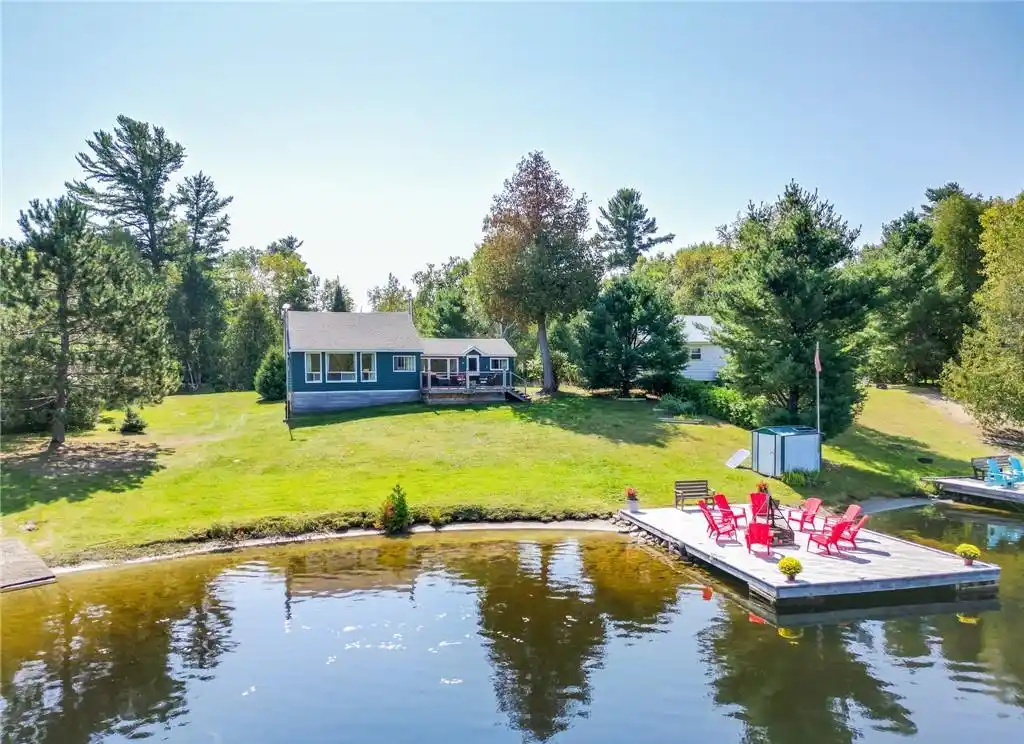
✔ Pros: Peaceful, surrounded by nature, great for vacations
❌ Cons: Can be expensive, may lack year-round utilities
Who should live here?
✅ Nature lovers who want a retreat from the city
✅ Remote workers who dream of working from a cabin in the woods
✅ Families looking for a summer getaway
Mobile Home / Manufactured Home
A mobile home (or manufactured home) is a prefabricated house that can be placed in a designated community or rural land. They offer affordability and flexibility.
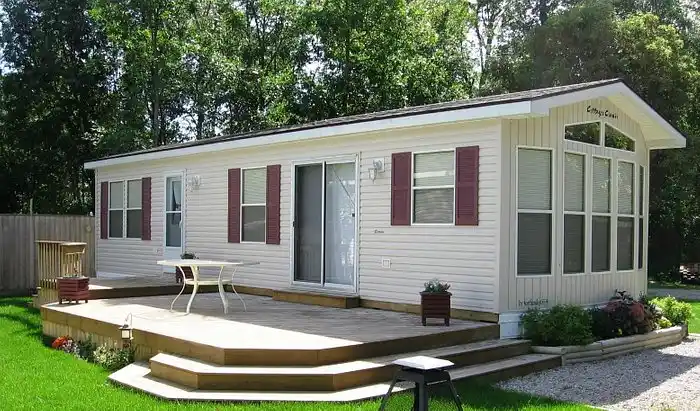
✔ Pros: Affordable, can be relocated
❌ Cons: Can lose value faster than traditional homes
Who should live here?
✅ Buyers on a budget who want homeownership
✅ Retirees looking for a low-cost, low-maintenance option
Garden Suite/ Laneway House / Coach House
A laneway house (also called a coach house or garden suite) is a small home built on the same property as a main house. These homes are great for renting out, housing elderly parents, or guest accommodations.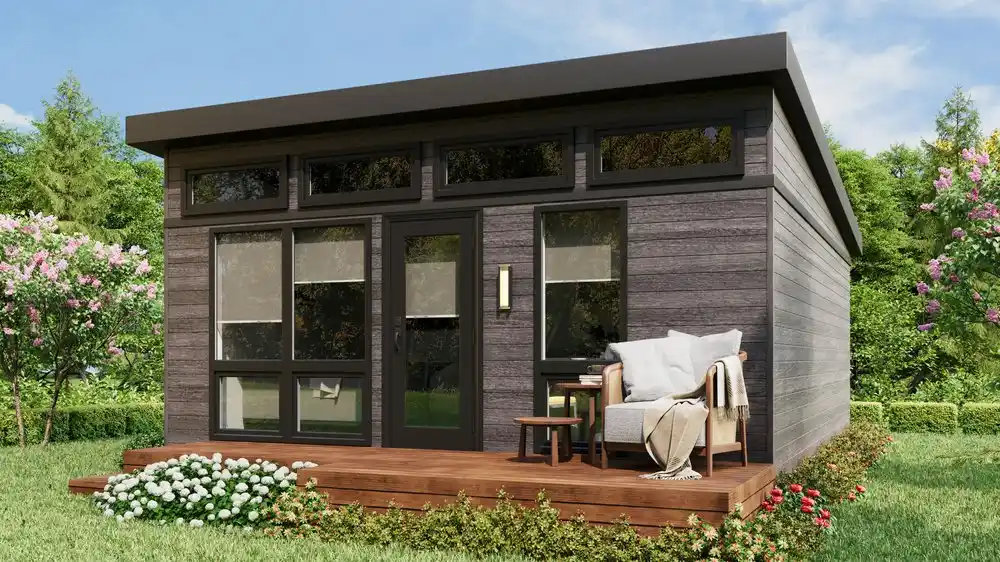 courtesy of Metrosuite
✔ Pros: Adds value to your property, potential rental income
❌ Cons: Limited space, zoning restrictions may apply
Who should live here?
✅ Homeowners looking for extra rental income
✅ Families wanting a separate space for relatives
✅ People who love small-space living
Final Thoughts: Which Home Type is Right for You?
While choosing the right type of house depends on your budget, lifestyle, and future goals. Whether you want the space of a detached house, the convenience of a condo, or the rental potential of a multi-family home, there are all types of house styles available in Canada to suit your requirements.